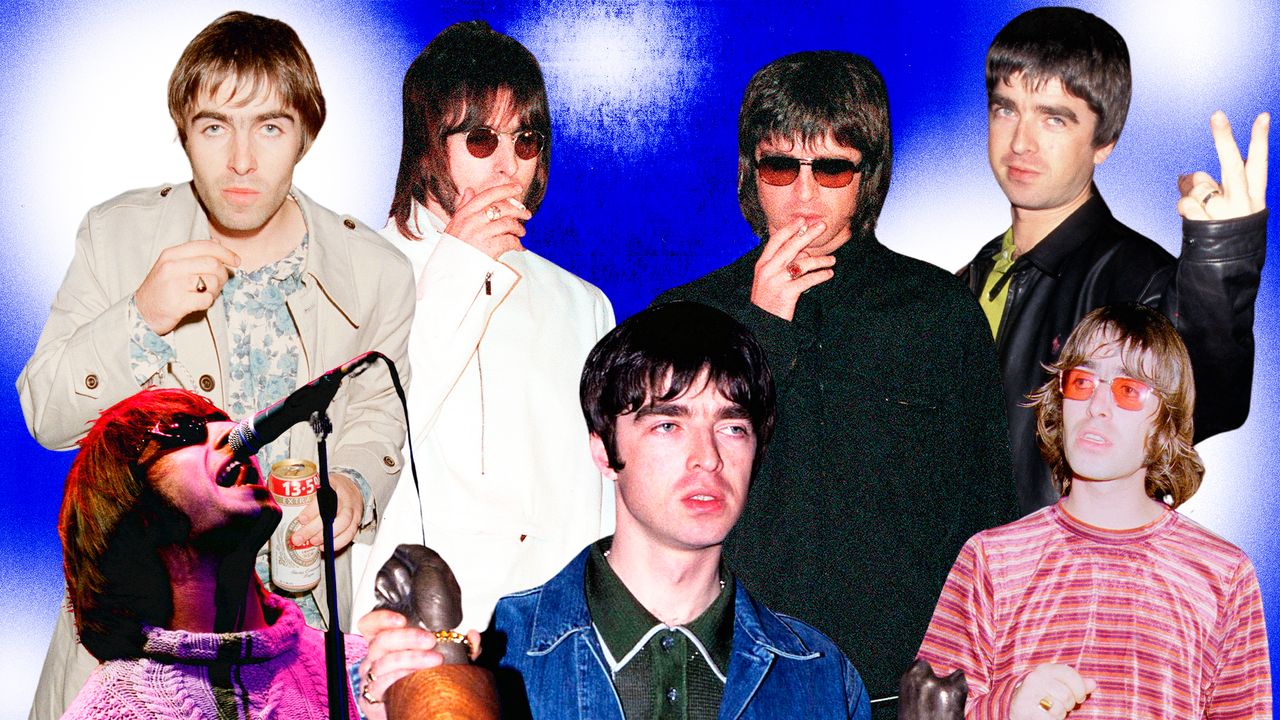
There is a version of Britpop that gets repackaged every few years: the lads, the lager, the guitars, the shouting. But reduce Oasis to that and you miss the thing that actually made them last. It was not just the music. It was the clothes. Walk around any half-decent neighbourhood in any major city right now and you will clock a twentysomething in wide-leg trousers, Adidas trainers, a parka or a bucket hat, looking like he has just come off a tour bus in 1996. He probably could not name the B-side of "Cigarettes & Alcohol" if you paid him, but Liam Gallagher has dressed him from beyond the decade. That is the reach we are talking about. That is what GQ is getting at when they put together 37 defining looks from the Oasis archive and call them the most stylish band on the planet. They are not wrong.
The Look That Never Really Left
The Gallaghers did not invent British casual. What they did was crystallise it, point a spotlight at it and make it feel aspirational without losing the roughness. The list of trends the brothers cemented in popular consciousness is extensive: big trousers, Adidas trainers, bushy haircuts, statement sunglasses, football jerseys, bucket hats. Look at that list. Every single item on it is still in circulation. You could walk into any vintage shop in Shoreditch, Digbeth or the Northern Quarter today and build that exact outfit. The Britpop look did not fade. It went underground and then came back stronger every time someone decided heritage was back in fashion.
What makes the Oasis version of that look so sticky is that it was never fussy. There was no grand theory behind it, no stylist issuing memos. The Gallaghers wore what lads from Manchester wore, then wore it in front of millions of people, and millions of people wanted in. That combination of authenticity and scale is almost impossible to manufacture. Plenty of bands have tried since and fallen flat because it felt deliberate. With Oasis, the look and the attitude were the same thing.
Two Brothers, Two Registers
The GQ gallery is worth going through carefully because it shows you exactly how the two brothers operated as a stylistic double act. Liam, the younger and more reckless of the two, dressed with frontman flair. Rough edges, parkas with a tambourine in hand, a certain belligerence in the silhouette. His look said: I might start something. Noel's approach was more pared back, more considered, but not by much. He favoured button-ups with big pockets, double denim, statement coats. The difference between them was a matter of degree rather than kind.
What both brothers shared was a love of a pocketed parka, opulent eyewear and the shaggiest haircuts that money could buy. There is a January 1995 shot of Noel that sums it up: loyal to a button-up shirt, pockets everywhere, not trying too hard, getting it completely right anyway. And then alongside it, a different January 1995 photo of the brothers in matching leather jackets in London's West End, which manages to look both deliberate and completely effortless. That tension between effort and ease is where the Oasis look lives. [How 80s and 90s Manchester music changed male fashion](/uprise/culture/how-80s-and-90s-manchester-music-changed-male-fashion--) is a thread that runs deeper than most people give it credit for, and Oasis sit right at the heart of it.
The Specific Details That Made It Work
What the GQ archive captures brilliantly is the specificity. It is not just "parkas" as a concept. It is Liam in June 1995 in an advanced-level parka, tambourine in hand, looking like the idea of a frontman made flesh. It is not just "denim." It is the Canadian tuxedo, the full double denim, deployed in May 1996 with complete conviction by both brothers. It is Noel at the NME Brat Awards in February 1996 picking up double awards in double denim, and somehow that parallel feels appropriate rather than accidental.
Then there is the football kit moment: May 1994, Manchester City jerseys on both brothers, matching haircuts. That image does a lot of cultural work. It ties the band explicitly to their city, to the terrace culture that shaped them, to the working-class identity that ran underneath all the Britpop glamour. [Noel Gallagher has said that working-class kids can no longer afford to become rock stars the way Oasis could](/uprise/culture/noel-gallagher-working-class-kids-cant-afford-to-become-rock), and looking at those early photos you understand what he means. That authenticity was not a costume. It was the whole foundation.
The High-Low Balance Nobody Has Beaten
One of the more interesting things GQ identifies is that the Gallaghers combined a genuine love for everyday British casual staples with a taste for flashy high fashion. That balance is deceptively hard to get right. Dress too far toward the high end and you look like you are trying to leave the postcode behind. Stay entirely in the casual lane and the look has no electricity. Oasis moved between the two without ever looking confused about who they were.
The 1996 Brit Awards is the perfect example. Two very different leather jackets on the two brothers, both excellent, both undeniably them. Neither brother looked like he had borrowed the jacket. That is the detail that separates genuine style from wearing expensive things. By the time Oasis brought that energy to the MTV Video Music Awards rehearsal in September 1996, the Americanisation of their profile was already happening, and their A-game came with them. [The Knebworth shows of 1996](/uprise/culture/oasis-at-knebworth-30-years-on-the-story-of-1996) were the cultural peak of that period, and the look was inseparable from the moment.
Why the Reunion Brings It All Back Into Focus
The GQ piece is timed around the reunion, and that timing is smart. Because the Oasis reunion is not just a music story. It is a style story, a cultural memory story, a question about what we want back and why. The band's first two albums still rank among the most popular 1990s records on Spotify, which tells you that the audience did not lose interest. They just grew up and kept the taste. Those twentysomethings in parkas and wide trousers are not doing ironic fancy dress. They have genuinely absorbed something that was passed down to them without them even realising it.
The Verdict
What the 37-look archive makes clear is that Oasis's style was never a side project to the music. It was the whole package operating as one coherent thing. The look communicated the same things the songs did: confidence without apology, roots worn openly, pleasure taken seriously. Liam and Noel were not fashionable in the way that required effort to decode. They were stylish in the way that makes other people immediately understand what they want and why they cannot quite have it in the same way. That is the real reason those images still function as moodboard material thirty years on. And it is the real reason the reunion feels like more than just some tickets going on sale. [Remembering those Knebworth nights](/uprise/culture/remembering-oasiss-historic-knebworth-shows-of-96-it-was-at) reminds you what it looked and felt like at full volume. The style was just the thing that told you what you were walking into before the first chord landed.