
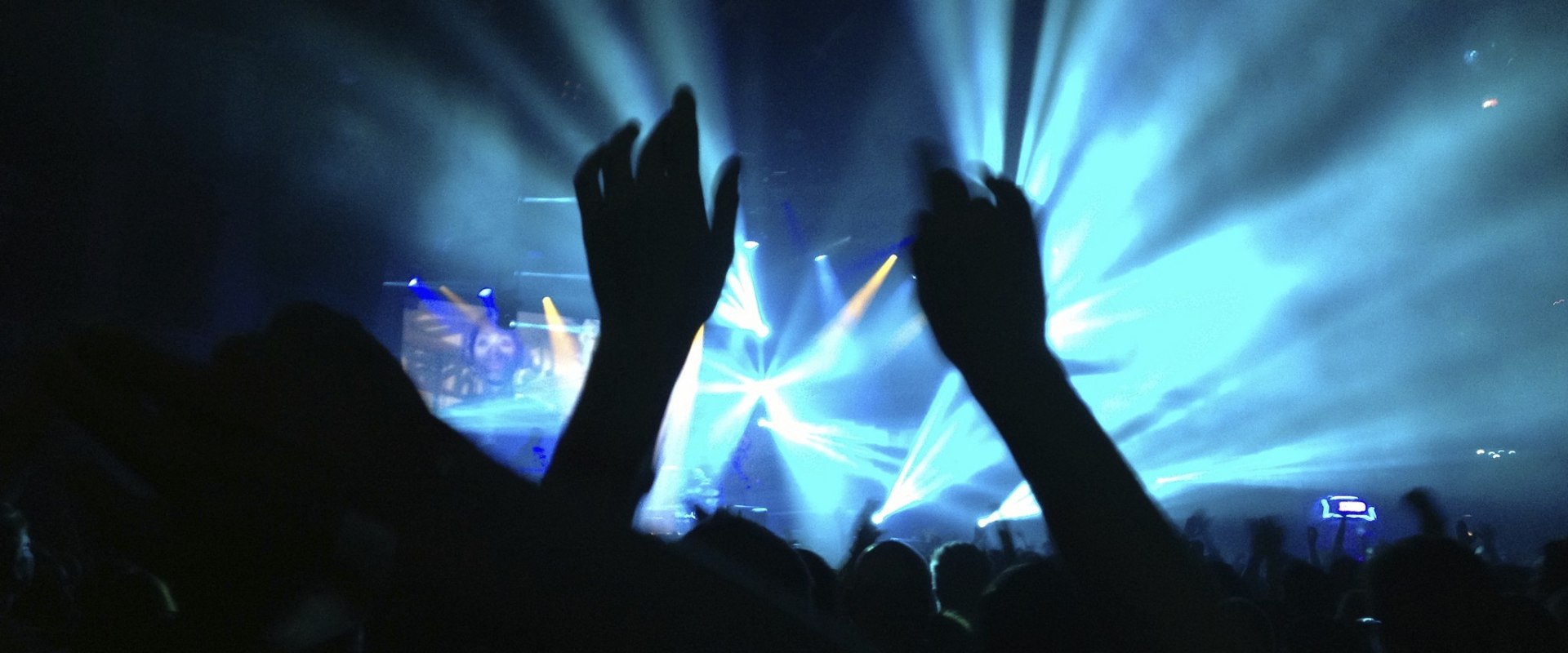
Madchester was not just a music scene. It was a full-body takeover of a city, a sound, a dancefloor, and a way of carrying yourself that spread outward from the northwest of England and rewired British youth culture at its roots. The late 1980s produced a lot of things, but nothing quite as genuinely strange and brilliant as the moment Manchester fused punk aggression, psychedelic drift, acid house euphoria, and indie guitar noise into something that had no real name until someone gave it one. What you got was a cultural movement so total that it swallowed fashion, nightlife, dance, and identity whole, and three decades on, we are still standing in its long shadow.
What Actually Made the Madchester Sound?
The temptation with Madchester is to reduce it to a playlist. Chuck on The Stone Roses, throw in some Happy Mondays, add a bit of The Charlatans, and call it done. But the sound was never that tidy, and that slipperiness was exactly the point. The genius of Madchester was the collision: punk's refusal to be polite sitting next to psychedelia's willingness to dissolve entirely, all of it soaked through with acid house energy and indie rock's guitar noise. That tension between aggression and bliss, between danceable and dissonant, was what made it feel unlike anything produced anywhere else at the time.
James and Inspiral Carpets were in that mix too, which often gets forgotten when people reach for the shorthand version. The scene was wide enough to hold very different bands under the same loose umbrella, united not by a strict formula but by geography, attitude, and a shared understanding of what a crowd actually needed. The music was built for rooms full of people who wanted to move and feel something at the same time, which meant the bass had to hit, the guitar had to soar, and the whole thing had to tip slightly out of control. That was not an accident. It was the whole design. [The story of how that design came together is worth knowing in full.](/uprise/culture/a-brief-history-of-madchester-culture)
The Hacienda and The Boardwalk: Two Rooms That Held a Revolution
No building was more central to what Madchester became than The Hacienda. The venue was the physical home of everything the movement stood for, the place where acid house and indie guitar culture stopped being separate conversations and started becoming a single, euphoric noise. All-night parties at The Hacienda were not events you attended so much as experiences you survived, and the people who were there talk about those nights the way people talk about things that cannot be fully explained to anyone who was not in the room.
The Boardwalk sat alongside The Hacienda as another key venue in Manchester's club scene during this period, hosting legendary nights that fed the same hunger for communal, loud, all-consuming experience. Together, these venues did something that is easy to underestimate from a distance: they built a physical infrastructure for the culture. Without the rooms, there is no Madchester, because Madchester was fundamentally about what happened when bodies gathered in a specific place and gave themselves over to the music entirely. [The full history of what Manchester's clubs actually built for British music deserves its own examination.](/uprise/culture/the-lasting-legacy-of-manchesters-long-gone-nightclubs-the-i-paper)
What Was the Madchester Shuffle and Why Did It Matter?
The Madchester shuffle gets name-checked constantly but rarely explained properly. It was the physical expression of everything the music was doing: loose, improvised, deliberately unschooled, resistant to choreography or any kind of formal discipline. The Happy Mondays and The Stone Roses were its standard-bearers, and watching it happen on a dancefloor was watching people genuinely make it up as they went, guided only by the bassline and whatever the moment demanded.
What made the shuffle genuinely interesting as a cultural object was its eclecticism. It pulled from Northern Soul, ska, breakdance, and house, mixing those influences the same way the music mixed punk and acid house, without worrying too much about whether the combination was supposed to work. Other dances from the era, the Twist, the Watusi, the Mashed Potato, fed into the same atmosphere of physical freedom. The loud basslines and rave beats that accompanied the shuffle were not background music: they were the engine. People described it as liberation, a way of letting your body process things your head could not. That is not a small thing. That is exactly what a dancefloor is supposed to do.
The Look: Colour, Noise, and Dr. Martens on the Floor
The Madchester aesthetic did not operate in isolation from the music and the dancefloor. It ran parallel to both, drawing from the same sources: punk, ska, rave culture, and a general preference for being loud without having to shout. Bright colours, neon lights, and bold patterns were the uniform, the visual equivalent of what the music sounded like when you turned it up past the point where polite people got uncomfortable.
Footwear is where it gets specific: Dr. Martens boots became a genuine fashion statement within Madchester culture, a piece of clothing that crossed the line between punk heritage and street credibility without feeling forced. Oversized clothing and bold prints completed a look that was designed to move in, because the dancefloor was always the destination. The street style that came out of Madchester fused punk, ska, and rave into something that felt entirely its own, worn by people who were not dressing up for anyone else's benefit.
The Genres That Held It All Together
It is worth being precise about the range of music that Madchester culture actually encompassed, because the breadth is part of why it lasted. Acid house gave it the chemical energy and the four-on-the-floor pulse. Rave culture gave it the communal, overwhelming sense that the music was an event rather than a backdrop. Indie rock gave it guitars and guitars gave it grit. Northern soul, running underneath all of it, gave it the specific, body-first physicality of the shuffle and a connection to a longer working-class dance tradition in the north of England.
None of these elements cancelled the others out. That is what made Madchester genuinely unusual as a cultural moment. Most scenes are defined by a narrowing: a tightening of the rules about what belongs and what does not. Madchester worked in the opposite direction, pulling more in rather than pushing things out. The Hacienda on a Saturday night was not an exercise in genre purity. It was the opposite: it was a room where all those influences landed at once and produced something that had not existed before. [That relationship between acid house, the dancefloor, and the broader culture around it had consequences far beyond Manchester.](/uprise/culture/90s-rave-culture-acid-house-clubs-and-the-summer-of)
What Madchester Left Behind, and Why It Still Matters
The legacy of Madchester is not a heritage item. It is not something that belongs on a commemorative plaque outside a demolished building. It is active, present, and genuinely influential in both indie rock and electronic music today, which is a remarkable thing to say about a cultural movement that has been referenced and mythologised continuously for over three decades. The fact that the influence is still being felt is not nostalgia. It is evidence that the original was actually that good.
The fashion threads run through streetwear in its current form: bold designs, bright colours, the same refusal to be subtle that characterised what people wore to The Boardwalk in the late eighties. The dance styles have evolved and been absorbed into forms that look different on the surface but carry the same logic of improvisation and freedom. The music is still there in the charts, in the choices of newer bands who understand that the Madchester fusion of guitar and electronic energy was not a period trick but a permanent discovery. 808 State sat alongside The Stone Roses and The Charlatans in that original constellation, and the fact that you can hear all of them in contemporary music if you know where to listen says everything about what the movement actually achieved. [Manchester's impact on British music runs even deeper than Madchester alone, and the full picture is worth understanding.](/uprise/culture/popular-music-of-manchester---wikipedia)
Madchester gave a city a global identity and gave a generation a physical, emotional, communal experience that most people only get once in their lifetime, if they get it at all. That is the measure of it. Not the records, not the venues, not even the bands, though all of those were extraordinary. The measure is what it felt like to be in those rooms, moving to those beats, wearing those colours, and knowing, even at the time, that something was happening that would not come around again.